In a world where competitors can quickly copy tools, products and technologies, the ability to continuously improve, innovate, and deliver superior value becomes the ultimate advantage.
Resilience defends the model that is being replaced; regeneration designs the next one. Discipline starts with the board and the executive reading the same systems stage of the organisation.
Resilience defends the model that is being replaced; regeneration designs the next one. Discipline starts with the board and the executive reading the same systems stage of the organisation
A genuinely resilient organisation requires four shifts: redefining resilience through a human, neurophysiological lens; treating it as a measurable, developeable skillset; using diagnostics to assess and prioritise at scale; and anchoring it into everyday habits and culture at the individual, team, and organisational level.
Myth 1: Leaders don't make mistakesMyth 2: The higher your position, the more answers you should haveMyth 3: Your way is the only way to succeedMyth 4: Trust means letting go completelyMyth 5: Character is revealed only during major crises
The next decade must build on the last. With the policy architecture now in place, the focus shifts to execution excellence, collaborative governance, and relentless iteration. By aligning incentives, removing residual friction, and fostering a culture that celebrates calculated risk, India can transform its startup ecosystem from a national success story into a global benchmark.
Every interaction is an opportunity to shape culture—or to leave it to chance. The leaders who build genuinely thriving organisations choose to lead on purpose, aligning their energy, intentions and actions with the outcomes they want to create.
Leaders who build without examining the system they are building tend to discover its unintended properties at the worst possible moment. The more useful question to ask before that moment arrives is not, “Is our strategy right?” It is, “What is the system we have actually built, and are we able to see it clearly enough to lead it wisely?”
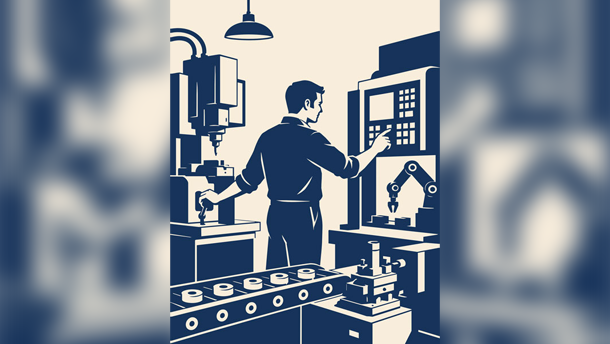
Organisations can achieve manufacturing excellence by changing the way they think about leadership, processes, waste, quality, and continuous improvement.
Busting the following myths MYTH 1: I know what's right TRUTH: Certainty is costing you more than you think. MYTH 2: The ends justify the means TRUTH: Your results are arriving with a hidden invoice. MYTH 3: I can do it better than everyone else TRUTH: Your talent on display is making everyone around you smaller. MYTH 4: I'm just trying to help TRUTH: Your helping may be the problem.MYTH 5: This is only temporary TRUTH: Temporary has become a permanent condition.
When under pressure, great leadership begins not with control, but with clarity, presence and human connection.
Most transformations are not dramatic breakthroughs, but prolonged negotiations between who a person has been and who they can no longer remain.


.jpg)





 Member Login








 Submit Enquiry