Tweet
Post
Share
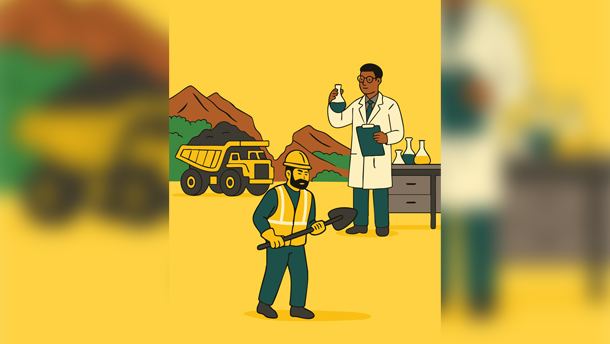
To avert another rare-earth crisis, India must mine, innovate, and move swiftly.
Krishan Kalra is the author of The rare Earth elements fiasco
The next decade must build on the last. With the policy architecture now in place, the focus shifts to execution excellence, collaborative governance, and relentless iteration. By aligning incentives, removing residual friction, and fostering a culture that celebrates calculated risk, India can transform its startup ecosystem from a national success story into a global benchmark.
In a world racing towards automation, efficiency, and artificial intelligence, leadership is at risk of losing something vital: its humanity. We are surrounded by dashboards, frameworks, operating models, and algorithms promising certainty in uncertain times. Yet the most effective leaders today are those who lead unmistakably like humans.
Many any leaders think passion belongs to artists or athletes, not the corporate world. In business, it’s seen as a luxury or even a liability. This skepticism is understandable, but it comes at a cost. The question worth asking is not whether passion matters at work, or whether it motivates employees to contribute and grow. The question is: what will leaders do to harness it?
Companies often use stories to communicate their corporate social responsibility (CSR) messages to consumers. CSR can be broadly defined as business practices that go beyond legal requirements and account for social and/or environmental concerns and organisations must communicate these practices credibly to their external and internal stakeholders.
Log In or become an AIMA member to read more articles